

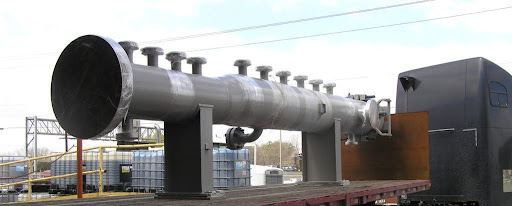
Pig Launchers and Pig Receivers are critical pipeline facilities used for cleaning, inspection, batching, dewatering, and intelligent pigging operations. Since these are pressure-containing systems with operational and safety requirements, the RFQ must clearly define the technical scope to ensure all vendors submit comparable and compliant quotations.
A well-prepared RFQ should include the following information:
1. General Information
- Equipment tag number and quantity
- Service (gas, crude oil, refined products, water, etc.)
- Pipeline location and project name
- Applicable design code (ASME B31.4, B31.8, ASME Section VIII, client specifications)
2. Design Conditions
- Design pressure
- Design temperature
- Operating pressure and temperature
- Hydrotest pressure
- Corrosion allowance
- Design life
3. Pipeline Data
- Pipeline nominal diameter
- Pipe schedule or wall thickness
- Line class and flange rating
- Product characteristics
- Pig type (foam, utility, intelligent, gauge, batching)
4. Mechanical Configuration
Specify whether the package includes:
- Quick Opening Closure (QOC)
- Major and minor barrels
- Reducer (eccentric or concentric)
- Closure safety interlock
- Vent connection
- Drain connection
- Pressure gauge connection
- Pig signaller
- Lifting lugs
- Support saddles
- Earthing lug
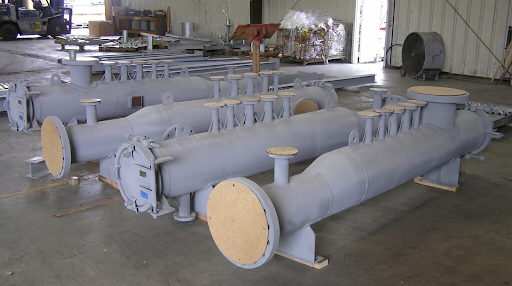
5. Material Specification
Specify materials for:
- Barrels
- Reducer
- Closure
- Flanges
- Nozzles
- Supports
- Bolting and gaskets
- Internal coating (if required)
- External coating system
6. Instrumentation
Include requirements for:
- Pressure gauges
- Pig signalers (mechanical or electronic)
- Vent and drain valves
- Isolation valves (if within vendor scope)
7. Inspection and Testing
Clearly define:
- Hydrostatic testing
- Non-Destructive Testing (RT, UT, MT, PT)
- Positive Material Identification (PMI), if required
- Post-Weld Heat Treatment (PWHT)
- Third-Party Inspection (TPI)
8. Documentation
Request the following:
- General Arrangement Drawing
- Design Calculations
- Welding Procedures (WPS/PQR)
- Material Test Certificates (MTC)
- NDT Reports
- Hydrotest Reports
- Painting and Coating Reports
- Inspection & Test Plan (ITP)
- Manufacturer’s Data Book (MDB)
- Operation and Maintenance Manual
9. Commercial Requirements
Include:
- Delivery schedule
- Packing and preservation
- Warranty
- Spare parts list
- Recommended commissioning spares
- Quotation validity
Recommended RFQ Attachments
- General Arrangement Drawing
- Material Specification
- Coating Specification
- Inspection & Test Plan (ITP)
- Vendor Document Requirement List (VDRL)
Conclusion
A detailed RFQ for a Pig Launcher and Pig Receiver minimizes vendor assumptions, ensures compliance with project specifications, and enables a fair technical and commercial comparison of quotations. By clearly defining design conditions, mechanical configuration, materials, inspection requirements, and documentation, procurement teams can reduce project risks and achieve successful pipeline installation and operation.
Sweco Fab fabricates ASME code pig launchers and receivers with quick-opening closures, complete NDE, and hydrotesting before shipment, backed by a 24×7 emergency service for unplanned shutdowns and outages. To discuss your pigging requirements or submit an RFQ, connect with our team.